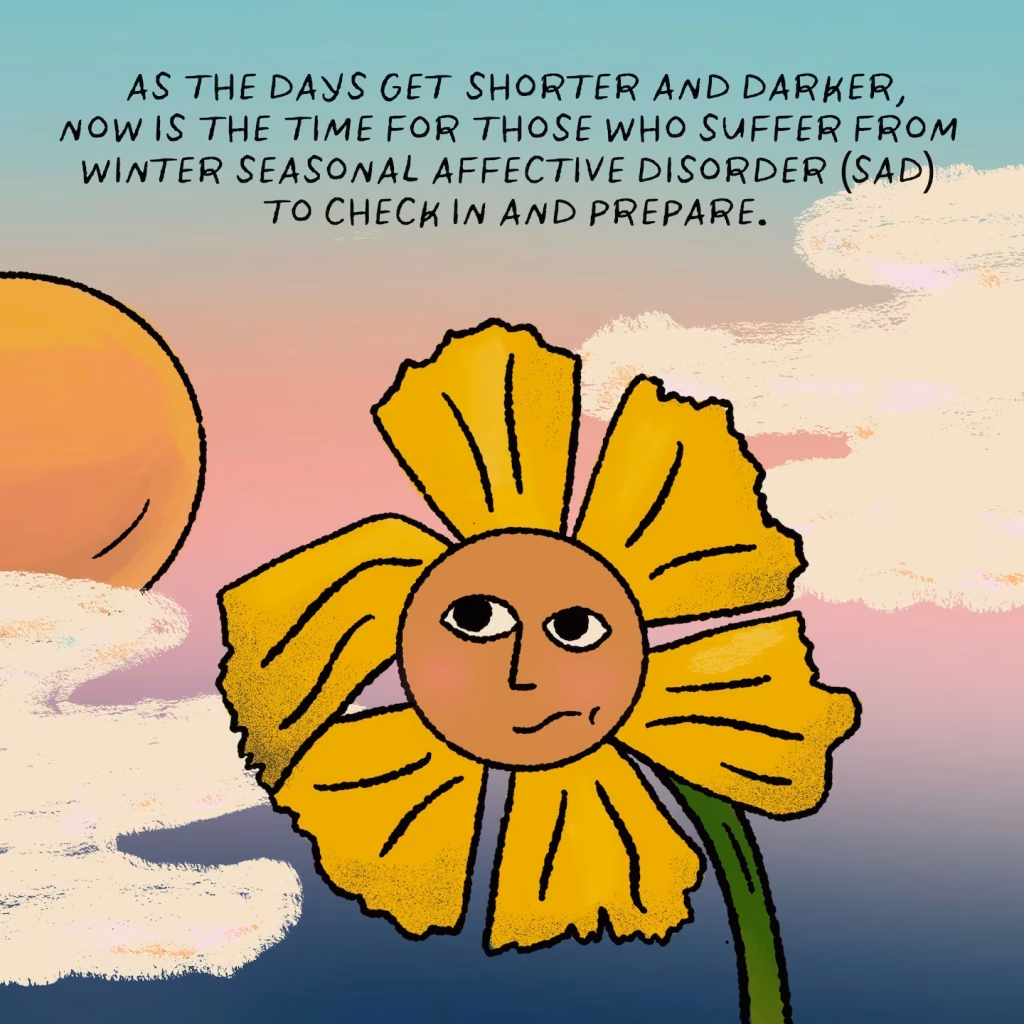
The crisp air, the vibrant leaf change, the cozy promise of sweaters and warm drinks! Ahhh! Fall often starts with a beautiful high note.
But for many of us, as the clocks roll back and the days shrink to mere slivers of sunlight, that cheerful feeling starts to fade.
If you find your energy plummeting, your mood growing heavier, and your desire to stay under the covers soaring just as the weather cools, you’re not alone. This is the often-dreaded Seasonal Affective Disorder (SAD), commonly known as the winter blues. The good news is that you don’t have to wait for the gloom to set in.
This post isn’t about reacting to seasonal depression; it’s about getting proactively armed to fight it. We’re going to dive into the science behind the shift and, most importantly, give you a three-pillar action plan covering light, movement, and mindset, so you can keep your sunny disposition, even when the clouds roll in.
Pillar I: Light Therapy & Environment 💡
The core problem of SAD is a lack of light! So, the core solution is to reclaim the light! This pillar focuses on strategically maximizing your light exposure, both natural and therapeutic, to reset your internal clock and boost those essential mood-regulating chemicals.
1. Invest in Your Personal “Indoor Sun”: The SAD Lamp
This is perhaps the single most effective tool for combating the symptoms of SAD. When the sun fails you, a specialized light therapy lamp is designed to compensate.
- What to Look For: You need a lamp rated for 10,000 lux. Anything less simply won’t have the therapeutic intensity required to make a difference. Ensure it produces minimal UV light (most modern lamps do).
- The Golden Rule of Timing: Use the lamp first thing in the morning for about 20 to 30 minutes. Placing it about 16 to 24 inches from your face while you read, eat breakfast, or work is ideal. The light needs to enter your eyes (but don’t stare directly at it) to signal your brain to stop producing sleep-inducing melatonin.
- The Power of Consistency: Treat this like a daily vitamin. Even on weekends, maintaining this morning ritual will stabilize your mood and energy levels throughout the day.
2. Win the War Against Dark Corners
In your home and workspace, every ray of natural light counts. Make it your mission to eliminate “shadow zones.”
- Immediate Blind Lift: Make it a non-negotiable habit to open every single curtain and blind the moment you wake up. This small action signals to your body that the day has begun.
- Declutter Windowsills: Remove anything that is blocking the light from entering your home. Dust off your windows for maximum clarity.
- Strategic Seating: Move your favorite chair, desk, or reading nook closer to a window. The more time you spend near natural light, the better.
3. Schedule Your Midday Dose of Nature
Even on the cloudiest, chilliest days, outdoor light is significantly more powerful than anything indoors.
- The Midday Walk Prescription: Commit to taking a 15-minute walk outdoors right around noon. This is when the light is most intense, and even diffuse light on a cloudy day can make a huge impact on your brain chemistry.
- Combine with Movement: The bonus? You get to double-dip on benefits by combining your light exposure with the mood-boosting power of exercise (Pillar II!).
Pillar II: Movement & Nutrition 💪🍏
While light addresses the external trigger of SAD, this pillar focuses on providing your body with the internal tools it needs to stabilize your mood, maintain energy, and fight off the lethargy associated with the seasonal shift.
1. Consistent Exercise: Your Natural Antidepressant
When the weather turns cold, the couch calls, but movement is one of the most powerful defenses against low mood. Exercise releases endorphins, which are natural mood elevators, and can help regulate sleep patterns, which are often disrupted by SAD.
- The Goal is Consistency, Not Intensity: You don’t need a grueling gym session. Aim for 20–30 minutes of moderate activity daily. This could be a brisk walk, a dance party in your living room, or an online yoga class.
- Embrace the Indoors: Create a cozy indoor workout space. Have weights, a yoga mat, or access to streaming workout videos ready to go so that bad weather isn’t an excuse.
- Schedule It: Treat your workout like an important appointment—put it on your calendar and stick to it.
2. Vitamin D: The Essential “Sunshine Vitamin”
When sunlight exposure drops, your body’s primary source of Vitamin D virtually disappears. Low Vitamin D levels are strongly linked to depression and fatigue.
- Consult Your Doctor: This is crucial. Talk to your healthcare professional about getting your Vitamin D levels checked and determining the appropriate dosage for a supplement. For most people in the Northern Hemisphere during winter, supplementation is necessary.
- Consistency is Key: Take your supplement daily, as directed. This simple habit can make a significant difference in your baseline mood and energy.
3. Smart Fuel for a Stable Mood
While comfort foods are tempting, fueling your body with mood-stabilizing nutrients will keep those seasonal energy crashes at bay.
- Omega-3 Fatty Acids: These are essential for brain health and have been shown to help manage symptoms of depression. Focus on sources like fatty fish (salmon), walnuts, chia seeds, and flaxseed.
- Limit Simple Carbs and Sugar: The temporary spike you get from sugary treats or white bread is quickly followed by a crash that exacerbates lethargy and brain fog. Focus on complex carbohydrates (oats, whole grains, vegetables) for sustained energy.
- Hydrate! Sometimes what feels like fatigue is actually mild dehydration. Keep water or herbal tea nearby throughout the day.
Pillar III: Mindset & Social Connection 🫂🧘
When the weather forces us indoors, it’s easy to fall into a cycle of isolation and rumination. The final pillar is about strengthening your mental resilience and actively nurturing your support system to ensure your spirits stay high, even if the temperatures drop low.
1. Mindful Momentum: Don’t Let SAD Define Your Thoughts
SAD often comes with a behavioral shift: less motivation, more negative self-talk, and an urge to withdraw. Use mindset tools to combat this mental slide.
- Mindfulness and Grounding: Practice short, daily moments of mindfulness (5-10 minutes). When the heavy, negative thoughts begin to spiral, focus on a sensory anchor: the feel of warm tea, the sound of the rain, or the simple in-and-out of your breath. This practice helps you observe the feelings without being swallowed by them.
- Create a “Winter Joy List”: Don’t wait for fun to happen—schedule it. Make a list of cozy, enriching activities you can look forward to (e.g., trying a new baking recipe, starting a puzzle, reading a book by the fireplace, hosting a game night). Having these commitments in your calendar provides structure and anticipation.
- Practice Self-Compassion: Resist the urge to judge yourself for feeling low energy. Recognize that your body is reacting to a biological change. Treat yourself with the same kindness and understanding you would offer a dear friend struggling with the same issue.
2. Maintain Your Rhythm (and Your Sleep)
The key to resisting SAD’s pull toward hibernation is maintaining a consistent daily schedule.
- Stick to a Sleep Schedule: As tempting as it is to hit “snooze” or nap the afternoon away, oversleeping can worsen SAD symptoms by further confusing your body’s circadian rhythm. Aim for consistent wake-up and bedtimes, even on weekends.
- Keep Your Social Calendar: Isolation is a fast track to deepening depression. Proactively schedule connection time. Whether it’s a weekly video chat with a long-distance friend, a coffee date, or volunteering for a local cause, maintaining social ties provides mental stimulation, stress relief, and a vital sense of belonging.
- Ask for Help (and Communicate): Let your close friends and family know that the change in seasons is challenging for you. This allows them to check in on you and helps hold you accountable for maintaining your self-care commitments. Don’t be afraid to reach out to a professional if symptoms feel overwhelming.
Your Sunny Future
We have covered the three essential pillars for proactively fighting the seasonal slump: Light, Movement & Nutrition, and Mindset. Remember, preparing for the winter blues is like preparing for a winter storm; you stock up on supplies, you plan your route, and you ensure your home is cozy. You have the tools now to build a strong defense.
Start small. Pick one thing from each pillar today! Maybe you open all your blinds, take your Vitamin D, and text a friend. By making small, intentional changes now, you are laying the groundwork for a brighter, more energized season ahead.
Disclaimer: This post provides informational strategies. If your symptoms are severe or persist, please consult a healthcare professional for diagnosis and tailored treatment options.